
Article Plan: Other Desert Cities PDF
Finding a “Other Desert Cities” PDF script online requires careful searching, as official sources are limited.
Numerous websites offer scripts,
but verifying authenticity is crucial for academic or performance purposes.
Availability varies, with some sites providing excerpts or
unofficial transcriptions, while others may require a purchase.
Always respect copyright laws when accessing and utilizing script materials.
Jon Robin Baitz’s “Other Desert Cities” is a compelling drama that premiered in 2011, quickly gaining critical acclaim and earning the Outer Critics Circle Award. The play delves into the complexities of family dynamics, political ideologies, and the weight of buried secrets. Set in Palm Springs, California, during a Christmas gathering, the narrative centers around Brooke Wyeth, a writer returning home after a prolonged absence.
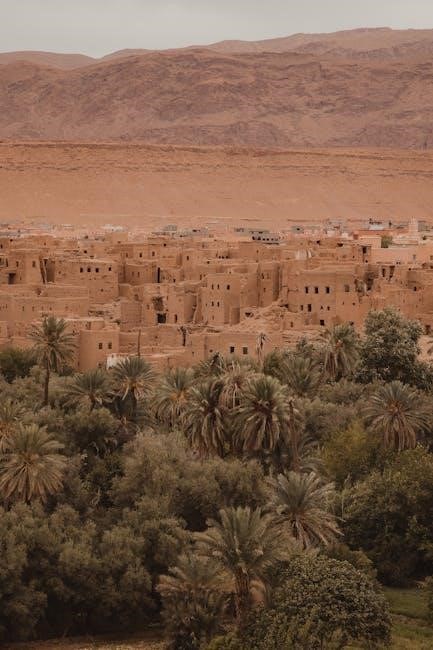
Brooke’s intention to share excerpts from her forthcoming memoir ignites a firestorm within her parents, Lyman and Polly Wyeth, staunchly conservative figures with a carefully constructed public image. The play masterfully explores the tension between truth and perception, as Brooke’s revelations threaten to unravel the carefully curated narrative her parents have maintained for years. It’s a story about a daughter confronting her parents, and a family grappling with a painful past.

The play examines American political fractiousness through a familial lens, offering a poignant and often unsettling portrait of a family fractured by differing beliefs and long-held resentments.
The Play’s Core Themes
“Other Desert Cities” profoundly explores several interconnected themes. Family secrets and lies are central, demonstrating how concealed truths can poison relationships and distort individual identities. The play dissects the impact of political ideology on personal lives, showcasing how deeply held beliefs can create rifts within families and shape perceptions of reality.
Furthermore, the work investigates the subjectivity of truth, questioning whether a single, objective truth exists or if reality is merely a collection of individual interpretations. The search for identity is also prominent, as Brooke attempts to reconcile her personal narrative with her family’s constructed history.
Ultimately, Baitz’s play examines the fragility of the American Dream and the disillusionment that can arise when ideals clash with harsh realities. The play’s power lies in its ability to present these complex themes through the intimate and emotionally charged dynamics of the Wyeth family.
Synopsis of the Plot
“Other Desert Cities” unfolds during a tense Christmas gathering at the Palm Springs home of Lyman and Polly Wyeth, retired, politically conservative parents. Their daughter, Brooke, returns after a six-year absence, announcing she intends to publish a memoir detailing a traumatic event from her youth – the apparent suicide of her brother, Trip.
This revelation throws the family into turmoil, as Lyman and Polly vehemently deny Brooke’s version of events, fearing it will tarnish their carefully cultivated public image. The play centers on the escalating conflict between Brooke and her parents, fueled by long-held resentments and suppressed truths.
As Brooke persists in uncovering the past, aided by her twin brother, Trent, and her enigmatic partner, Silas, the family’s carefully constructed facade begins to crumble, revealing a web of secrets and lies that threaten to destroy them all.
Characters in Detail
The play’s strength lies in its complex, flawed characters. Lyman Wyeth, the patriarch, is a former actor and staunch conservative, fiercely protective of his family’s reputation. Polly Wyeth, his wife, is a witty, yet emotionally brittle woman, struggling with alcoholism and a carefully maintained composure.
Brooke Wyeth, their daughter, is a troubled writer determined to expose the truth about her family, even at great personal cost. Silas, Brooke’s partner, is a charismatic and mysterious figure who provides both support and a catalyst for conflict;
Trent Wyeth, the twin brother, acts as a somewhat detached observer, caught between loyalty to his sister and a desire to maintain peace within the family. Each character harbors secrets and motivations that drive the play’s dramatic tension.
Lyman Wyeth
Lyman Wyeth embodies a bygone era of Hollywood and conservative values. A former actor, he projects an air of authority and control, meticulously curating his public image and fiercely guarding his family’s secrets. He represents the “Establishment” Brooke challenges, clinging to a romanticized past and dismissing her attempts to confront painful truths.

His paternal instincts are complicated by a deep-seated need for control and a reluctance to acknowledge past mistakes. Lyman’s interactions with Brooke are marked by a mixture of affection and disapproval, revealing a man struggling to reconcile his ideals with his daughter’s rebellious spirit.
He is a complex figure, simultaneously charming and intimidating, whose carefully constructed facade begins to crumble under the weight of Brooke’s revelations.
Polly Wyeth
Polly Wyeth, Lyman’s wife, presents a facade of serene elegance, masking a deep well of emotional fragility and suppressed pain. She functions as the family’s social architect, maintaining appearances and skillfully deflecting uncomfortable conversations. Polly’s reliance on alcohol hints at a long history of coping mechanisms and unresolved trauma.
Her relationship with Brooke is strained, characterized by a passive-aggressive dynamic and a subtle competition for Lyman’s affection. Polly’s attempts to control the narrative surrounding their family history reveal a desperate need to protect her carefully constructed world.

Beneath her polished exterior lies a woman haunted by the past, desperately clinging to a sense of normalcy and fearful of the secrets Brooke threatens to expose.
Brooke Wyeth
Brooke Wyeth, the play’s central figure, is a troubled and intelligent woman returning home after a prolonged absence. She’s an aspiring author poised to publish a memoir detailing her challenging upbringing and the family secrets she’s unearthed. Brooke’s arrival disrupts the carefully maintained tranquility of her parents’ Palm Springs existence.
Her motivations are complex, driven by a desire for artistic recognition, a need to confront her past, and a yearning for connection with her family, however fraught that connection may be. Brooke’s willingness to expose painful truths challenges the Wyeths’ carefully constructed narrative.

She embodies a generational shift, questioning the values and political affiliations of her parents’ generation and seeking a more authentic understanding of her own identity.
Silas
Silas, the Wyeth family’s long-serving housekeeper, is a quietly observant character who has witnessed decades of family drama unfold. He possesses a deep understanding of the Wyeths’ history and secrets, acting as a silent keeper of their past. Silas offers a grounded perspective, often providing subtle commentary on the family’s dynamics.

His loyalty is complex, stemming from years of service but also hinting at a degree of detachment and perhaps even judgment. Silas’s presence adds a layer of social commentary, subtly highlighting the class dynamics at play within the Wyeth household.
He serves as a confidant to various family members, offering a listening ear and a sense of stability amidst the emotional turmoil. Silas’s understated role is crucial in revealing the hidden currents beneath the surface of the play.
Trent
Trent, Brooke’s somewhat aimless and troubled twin brother, provides a stark contrast to her ambition and drive. He’s a failed artist grappling with addiction and a history of self-destructive behavior, creating tension within the family dynamic. Trent’s struggles represent a different path taken, a rejection of the Wyeths’ polished facade.
He offers a cynical and often darkly humorous perspective on his family’s history and political affiliations, challenging their carefully constructed narratives. Trent’s vulnerability and honesty serve as a catalyst for uncovering uncomfortable truths.
His relationship with Brooke is complex, marked by both affection and resentment. Trent’s presence highlights the play’s exploration of familial bonds and the lasting impact of past traumas.
Historical and Political Context
“Other Desert Cities” is deeply rooted in the political and social climate of mid-20th century America, specifically the era of the Cold War and the rise of conservative politics in California. The play subtly references the Red Scare and the pervasive fear of communism, impacting the Wyeth family’s choices and secrets.
The parents, Lyman and Polly, represent a generation shaped by these anxieties, embracing a staunchly anti-communist stance and building their careers within a politically conservative sphere. Their world is one of carefully maintained appearances and suppressed dissent.
The play’s setting in Palm Springs, a haven for Hollywood conservatives, further emphasizes this historical context. It explores how political ideologies can shape personal relationships and family dynamics, leaving lasting scars.
The Significance of Palm Springs Setting
Palm Springs isn’t merely a backdrop; it’s integral to the play’s themes and character dynamics. Historically a retreat for Hollywood elites and a haven for conservative politics, the desert location embodies a sense of isolation and carefully constructed facades.
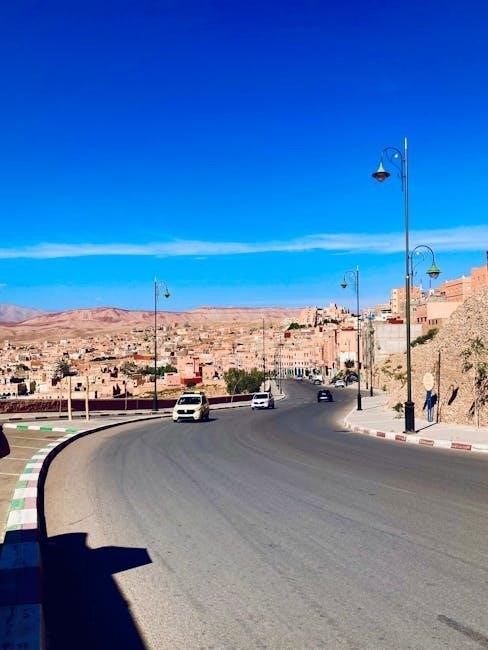
The mid-century modern architecture and manicured landscapes symbolize the Wyeth family’s attempt to create a perfect, controlled environment, masking underlying tensions and secrets. The desert’s vastness mirrors the emotional distance between family members.
The setting also alludes to a sense of artificiality and escapism, reflecting the characters’ attempts to avoid confronting painful truths about their past. Palm Springs, as a destination, represents a deliberate removal from reality.
Ultimately, the location amplifies the play’s exploration of family secrets and political disillusionment.
Critical Reception and Awards
“Other Desert Cities” garnered significant critical acclaim following its Broadway debut in 2011. Critics lauded Jon Robin Baitz’s sharp writing, the play’s insightful exploration of family dynamics, and the stellar performances of the cast, notably Stacy Keach and Stockard Channing.
The play was praised for its nuanced portrayal of political ideologies and its ability to spark conversation about American history and personal responsibility. Many reviewers highlighted the play’s compelling blend of drama, humor, and intellectual depth.
Among its accolades, “Other Desert Cities” received the Outer Critics Circle Award for Outstanding New Off-Broadway Play. It was also nominated for several Tony Awards, including Best Play and Best Actress (Stockard Channing).
The positive reception solidified the play’s reputation as a significant contemporary work.
“Other Desert Cities” as a Family Drama
At its core, “Other Desert Cities” is a deeply affecting family drama, dissecting the complex relationships within the Wyeth family. The play masterfully portrays the tensions, resentments, and unspoken truths that simmer beneath the surface of their seemingly idyllic existence.
Brooke’s return home and her impending memoir act as a catalyst, forcing each family member to confront their past and re-evaluate their present. The play explores themes of parental expectations, sibling rivalry, and the enduring impact of trauma.
The Wyeths’ carefully constructed facade of respectability begins to crumble as Brooke’s revelations threaten to expose long-held secrets. The drama unfolds with a palpable sense of unease, as alliances shift and loyalties are tested.
Ultimately, the play is a poignant exploration of the enduring power of family—both its capacity for love and its potential for profound hurt.
The Role of Secrets and Lies
Secrets and lies are the very lifeblood of “Other Desert Cities,” permeating every interaction and driving the narrative forward. The Wyeth family has meticulously constructed a narrative of their past, carefully concealing painful truths to maintain a public image of success and political prominence.
Brooke’s memoir threatens to dismantle this carefully crafted facade, exposing the hidden costs of their ambition and the sacrifices made along the way. The play explores how secrets can fester and poison relationships, creating a climate of distrust and resentment.
Each character harbors their own secrets, contributing to a web of deception that ensnares the entire family. The play questions the motivations behind these lies – are they intended to protect others, or simply to preserve their own self-interest?
Ultimately, “Other Desert Cities” suggests that the truth, however painful, is essential for genuine connection and healing.
Brooke’s Memoir and its Impact
Brooke Wyeth’s memoir serves as the central catalyst for the play’s conflict, igniting a familial firestorm upon its impending publication. The memoir isn’t merely a recounting of events; it’s a deliberate attempt to challenge the carefully constructed narrative her parents, Lyman and Polly, have perpetuated for years.
The impact of the memoir is immediate and devastating, forcing the Wyeths to confront uncomfortable truths about their past and the sacrifices they’ve made. It exposes a deeply buried family tragedy, threatening to unravel their carefully maintained public persona.

Brooke’s act is perceived as a betrayal by her parents, who view the memoir as a reckless disregard for family loyalty and a potential ruin of their legacy. The play explores the complex dynamics of authorship, truth, and the right to tell one’s own story.
The memoir’s power lies in its ability to disrupt the status quo and force a reckoning with the past.
Analyzing the Play’s Structure
“Other Desert Cities” employs a tightly constructed, three-act structure that builds tension and reveals information strategically. The play unfolds primarily within the confines of the Wyeth family’s Palm Springs home, creating a claustrophobic atmosphere that mirrors the emotional constraints within the family.
The structure relies heavily on dialogue and carefully placed revelations, gradually peeling back layers of deception and exposing the family’s hidden history. Each act introduces new complexities and challenges the audience’s understanding of the characters and their motivations.
Jon Robin Baitz masterfully uses dramatic irony, allowing the audience to piece together the truth before the characters do, heightening the sense of suspense. The play’s structure isn’t linear; flashbacks and fragmented memories contribute to the overall sense of disorientation.
The final act culminates in a powerful confrontation, resolving the central conflicts and leaving the audience to contemplate the lasting consequences of the Wyeth family’s choices.
Themes of Truth vs. Perception
“Other Desert Cities” profoundly explores the subjective nature of truth and the power of perception. The play demonstrates how individuals construct narratives to protect themselves and maintain a desired image, often at the expense of honesty. Each character possesses a unique perspective on the past, shaped by their own biases and emotional needs.
Brooke’s memoir serves as a catalyst, challenging the carefully curated reality presented by her parents, Lyman and Polly. The play questions whether a definitive “truth” even exists, or if reality is simply a collection of interpretations.
The Wyeths’ political affiliations further complicate this theme, as they’ve built their identities around a specific ideology, selectively remembering and presenting events to align with their worldview.
Ultimately, the play suggests that truth is elusive and often painful, while perception can be a comforting, yet ultimately deceptive, shield.
The Wyeth Family’s Political Affiliations
The Wyeths are deeply entrenched in conservative politics, with Lyman having a prominent career as a Hollywood screenwriter and staunch anti-communist. Their political stance heavily influences their worldview and shapes their interactions with Brooke, whose memoir threatens to expose family secrets that clash with their carefully constructed public image.
Polly embodies a more subtle form of political maneuvering, maintaining social appearances and upholding a facade of respectability. Their political beliefs aren’t simply ideologies; they are integral to their identities and social standing.
The play uses the family’s political background to explore the complexities of American political history, particularly the Red Scare and its impact on individual lives.
Brooke’s challenge to their narrative is, in part, a rejection of their political conservatism and a search for a more nuanced understanding of the past.
Exploring the Play’s Symbolism
Palm Springs itself functions as a potent symbol, representing a carefully constructed paradise masking underlying tensions and hidden truths. The desert landscape mirrors the emotional aridity within the Wyeth family, suggesting a barrenness beneath the surface of their affluent lifestyle.
Christmas, traditionally a time of familial warmth, is ironically used to highlight the Wyeths’ fractured relationships and the secrets that divide them. The recurring motif of “other desert cities” alludes to alternative narratives and suppressed histories, hinting at the complexities of identity and belonging.
Brooke’s memoir symbolizes a disruptive force, threatening to dismantle the carefully curated image the Wyeths have maintained for years.
The play’s symbolism encourages audiences to question the narratives presented and to consider the hidden layers of meaning beneath the surface of seemingly idyllic settings.
Availability of the “Other Desert Cities” PDF Script
Locating a legitimate PDF of “Other Desert Cities” can be challenging. Official play publishers often restrict free digital distribution, prioritizing sales of physical copies and licensing for performances. However, several online platforms offer script access, ranging from paid services to potentially unofficial sources.
Websites specializing in play scripts may have the PDF available for purchase or rental. Online libraries and academic databases sometimes provide access to scripts for research purposes, though availability varies. Caution is advised when downloading from unverified websites, as these may contain inaccurate transcriptions or malware.
Searching using specific keywords like “Other Desert Cities script PDF” can yield results, but always prioritize reputable sources and respect copyright regulations.
Where to Find Study Guides and Analyses
Numerous resources offer insightful analyses of Jon Robin Baitz’s “Other Desert Cities.” While a dedicated PDF study guide directly from the playwright or publisher is uncommon, several academic and literary websites provide detailed character analyses, thematic explorations, and plot summaries.
SparkNotes and CliffNotes often feature comprehensive study guides for popular plays, including “Other Desert Cities,” offering valuable context and interpretation. University course websites may also host lecture notes, essay prompts, and critical articles related to the play.
JSTOR and other academic databases provide access to scholarly articles examining the play’s political and social themes. Online theatre communities and forums can offer diverse perspectives and discussion points for deeper understanding.
Adaptations and Productions
“Other Desert Cities” premiered Off-Broadway in 2011 and quickly transferred to Broadway in 2012, garnering critical acclaim and several awards, including the Outer Critics Circle Award. The original Broadway production boasted a stellar cast featuring Stacy Keach and Stockard Channing, significantly boosting the play’s visibility.
While a large-scale film adaptation hasn’t materialized, numerous regional and university theaters across the United States and internationally have staged productions of the play. These productions often offer unique interpretations of the script, reflecting diverse cultural contexts.
Recordings of some stage productions may be available online, though official, high-quality recordings are rare. Searching theatre archives and streaming platforms might yield limited footage or reviews of various productions, offering glimpses into different directorial approaches.
The Play’s Relevance Today

“Other Desert Cities” resonates powerfully with contemporary audiences due to its exploration of deeply fractured family dynamics amidst a backdrop of political polarization. The play’s themes of truth versus perception, and the selective narratives we construct about our histories, feel particularly relevant in an era of “fake news” and contested realities.
The Wyeth family’s struggles with reconciling personal beliefs and public image mirror the challenges faced by many families navigating divisive political landscapes. The play’s examination of the cost of silence and the consequences of suppressed trauma continues to spark important conversations.
Furthermore, the play’s setting in Palm Springs, a location steeped in mid-century American ideals, provides a poignant commentary on the nation’s evolving identity and the enduring legacy of its past; It prompts reflection on how we remember – and forget – our collective history.
Concluding Thoughts on “Other Desert Cities”
“Other Desert Cities” is a compelling and emotionally resonant work that lingers long after the curtain falls. Jon Robin Baitz masterfully crafts a narrative that is both intimately personal and broadly political, forcing audiences to confront uncomfortable truths about family, memory, and the American Dream.
The play’s enduring power lies in its refusal to offer easy answers or simplistic resolutions. Instead, it presents a nuanced portrait of a family grappling with its past, highlighting the complexities of forgiveness, reconciliation, and the enduring impact of secrets.
Ultimately, “Other Desert Cities” serves as a potent reminder that history is always subjective, and that the stories we tell ourselves – and each other – shape our understanding of the world. It’s a play that demands reflection and invites ongoing dialogue.