
Overview of Ganesha Ashtottara Shatanamavali PDF
This PDF compiles 108 Sanskrit names of Lord Ganesha, each with English translation and meaning. Designed for easy reading and chanting, it features clear layout, legible font, and organized sections. Free download available from community sites, supporting daily devotion.Download PDF, TXT, or online versions.!

Ganesha Ashtottara Shatanamavali is a revered compilation of 108 divine appellations that encapsulate the multifaceted nature of the elephant‑headed deity. Each name is a concise mantra that reflects an aspect of Ganesha’s cosmic function—remover of obstacles, patron of learning, embodiment of wisdom, and the compassionate guide who opens pathways for seekers. The PDF presents these names in Sanskrit script, accompanied by transliterations and literal English translations, allowing devotees to chant accurately while understanding the underlying meaning. The spiritual significance lies in the transformative power of sound; reciting a single name can invoke a specific divine quality while the full cycle of 108 names is believed purify mind align one’s intentions elevate consciousness. The document is structured to facilitate practice: names are grouped thematically, with brief explanatory notes that contextualize each term within Hindu cosmology and mythology. Users can integrate the PDF into meditation sessions, puja rituals, or personal reflection, using the rhythmic cadence of the mantras to focus attention and cultivate mindfulness. The accessibility of the PDF—available in both PDF and text formats—ensures that practitioners worldwide can engage with the text, whether on a desktop, tablet, or mobile device. By preserving the original Sanskrit while providing clear translations, the resource bridges linguistic gaps enabling a broader audience to experience the devotional depth of Ganesha’s 108 names. It serves as mantra guide for seekers worldwide. Engaging with this collection fosters a deeper connection to the divine encouraging devotees to internalize the virtues embodied by each appellation manifest them in daily life.

Historical and Cultural Significance
The Ashtottara Shatanamavali traces back to ancient Vedic hymns, evolving through Puranic literature. It reflects regional devotional practices, especially in Maharashtra and Tamil Nadu, where Ganesha’s 108 names are chanted during festivals, rituals, and daily puja, symbolizing unity of faith. A timeless chant.!
Origins and Evolution of the Ashtottara Shatanamavali Within Sanskrit Scriptures
Originating in the ancient Vedic corpus, the Ashtottara Shatanamavali—literally “eighty‑eight hundred names”—was first recorded in early Puranic hymns as a litany praising the elephant‑headed deity. Scholars trace its earliest mention to the Mahabharata’s “Ganesha Parva,” where sages invoke 108 names to seek wisdom and remove obstacles. Over centuries, the list was expanded and codified by various regional traditions, especially in Maharashtra, Karnataka, and Tamil Nadu, each adding local epithets that reflect regional folklore and theological emphasis. The 108 names are not merely a catalog; they encapsulate the multifaceted nature of Ganesha—his role as Vighnaharta (remover of obstacles), Vidyadhara (holder of knowledge), and Shubhakaraka (bestower of auspiciousness). The evolution of the text is evident in the variations found in manuscripts: some versions include the “Sanskrit” transliteration, others provide English translations, and a few integrate audio recordings for chanting. The modern PDF format preserves this rich heritage by presenting the names in a clear, searchable layout, allowing devotees to access the ancient litany with ease. The digital version also includes commentary on each name’s etymology, linking the words to mythic narratives and philosophical concepts. By bridging ancient scriptural tradition with contemporary technology, the PDF ensures that the Ashtottara Shatanamavali remains a living practice, adaptable to modern devotional contexts while retaining its historical depth. In contemporary practice, the litany is recited during Ganesh Chaturthi, Navaratri, and other festivals, and is also used in meditation circles worldwide. Digital archives now host scanned manuscripts, enabling comparative studies that highlight regional linguistic variations—such as the use of “Ganapati” versus “Vinayaka.” The PDF’s inclusion of transliteration assists non‑Sanskrit speakers, fostering inclusive worship. Moreover, the text’s adaptability is evident in its integration into mobile apps, allowing users to chant on the go. The continued relevance of the Ashtottara Shatanamavali underscores its role as a spiritual bridge connecting ancient Vedic hymns to modern devotional life.

PDF Features and Content
Designed with a clean layout, the PDF presents 108 names in Sanskrit, transliteration, and English meaning. Clear, legible font, page numbers, and a table of contents aid navigation. The file is 1.9 MB, downloadable in PDF or TXT format. Includes a brief intro and glossary key.!
Layout, Font Style, and Visual Design Elements of the PDF Document
The Ganesha Ashtottara Shatanamavali PDF is crafted with a minimalist yet reverent aesthetic, ensuring that the sacred names are presented in a manner that is both accessible and conducive to contemplation. The document begins with a modest title page that features a stylized illustration of Lord Ganesha, rendered in muted gold and deep indigo hues, creating a subtle contrast against a parchment‑like background. This visual cue immediately signals the sanctity of the text while maintaining a clean, uncluttered look. Beneath the title, a concise table of contents lists the 108 names in numerical order, each accompanied by a short transliteration and an English translation. The page numbers are placed in the lower right corner, using a simple, sans‑serif typeface that does not distract from the main content. The body of the PDF employs a two‑column layout on every page. The left column contains the Sanskrit script in Devanagari, rendered in a slightly larger, bold font to emphasize the original language. The right column presents the transliteration in Latin script, followed by the English meaning in a smaller, italicized font. This dual‑column format allows readers to cross‑reference the Sanskrit and its translation effortlessly, fostering a deeper understanding of each name’s spiritual nuance. The margins are generous, providing ample breathing space around the text and preventing visual fatigue during extended chanting sessions. Font choice is deliberate: the Devanagari text uses a typeface that mimics traditional calligraphy, while the Latin transliteration and English translation are set in a clean, modern sans‑serif font. The color palette is restrained, with black text on a cream background, occasionally accented by a subtle gold underline beneath each name to denote reverence. The PDF also includes a small footer on each page that reads “Ganesha Ashtottara Shatanamavali – 108 Sacred Names” in a modest, serif font, reinforcing the document’s identity without overwhelming the reader. Overall, the design balances reverence with readability, making the PDF an ideal companion for daily devotion, study, and meditation. It is freely downloadable, encouraging widespread devotion for all seekers.

Accessing and Downloading the PDF
Download the Ganesha Ashtottara Shatanamavali PDF from community sites like Sanskritdocuments.org or official portals. Click the free PDF link, save to device, or view online. Ensure you have a PDF reader to open the file.
The file is 1.9 MB and available in PDF and text formats for flexible use. Anytime. Now
Official and Community-Hosted Platforms for Free PDF Downloads
These platforms also provide quick access to audio recitations and transliterations, allowing devotees to integrate the names into daily meditation or puja rituals. The PDF’s clean layout ensures readability on both desktop and mobile devices, and the consistent formatting makes it easy to print or share with study groups. By downloading the file from a trusted source, users can preserve the authenticity of the text while enjoying the spiritual benefits of chanting the 108 names of Lord Ganesha. Allrightsnow. Enjoy!Now

Structure and Organization of the Text
Names are grouped in 12 sections of 9, each line shows Sanskrit, transliteration, and English meaning. The PDF uses a uniform serif font, centered alignment, and numbered list for easy reference. This layout aids memorization and chanting during rituals.Each name has a brief commentary for deeper insight daily.
Arrangement of Names, Transliteration, and English Translations in the PDF
The PDF arranges the 108 sacred names of Lord Ganesha in a systematic, reader‑friendly format. Each name appears in three columns: the original Sanskrit script, a precise transliteration that follows standard IAST conventions, and an English translation that captures the essence of the name’s meaning. The names are grouped into twelve thematic sections, each containing nine names, allowing devotees to focus on a particular attribute or quality of the deity in a structured way. Within each section the names are numbered consecutively, which aids memorization and chanting. The transliteration column uses diacritical marks to indicate vowel length and consonant aspiration, ensuring accurate pronunciation. The English translation column is concise yet descriptive, often including a brief explanation of the spiritual significance of the name. The layout is clean, with ample white space and a consistent serif typeface that enhances readability. The PDF also includes a small header on each page that identifies the section title, such as “Vighna‑Nivāraka” or “Vināyaka‑Śakti”, and a footer that lists the page number and the PDF version. This meticulous organization makes the document suitable for use in daily rituals, group chanting sessions, and individual study. The structure supports both quick reference during a puja and deeper study for those wishing to explore the philosophical nuances behind each name. By presenting the names in a clear, categorized, multilingual format, the PDF serves as an effective tool for devotees to engage with the Ashtottara Shatanamavali in a meaningful so accessible way.

Usage in Spiritual Practice

The PDF guides daily chanting, meditation, and puja rituals. Use it as a mantra list, recite each name aloud, or silently repeat during meditation. Place the PDF beside the altar, open it before prayers, and let the names inspire focus and devotion.
Repeat each name thrice, breathe, feel divine presence. now
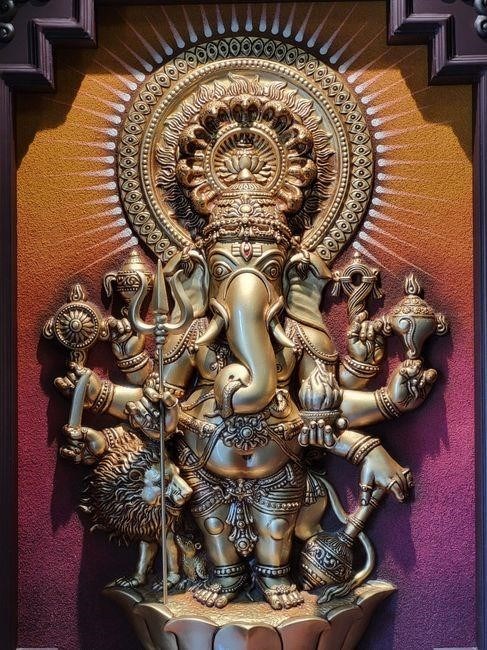
Guidelines for Chanting, Meditation, and Daily Rituals Using the PDF
Begin each session by opening the PDF on a quiet screen or printing a copy. Sit in a calm posture, close your eyes, and take three deep breaths to center yourself. Then, select a name from the top of the list and recite it aloud, maintaining a steady rhythm. Repeat each name three times, allowing the vibration to resonate within your chest. After chanting, pause for a moment of silence, visualizing the deity’s presence. Continue through the list at a pace that feels natural, ensuring you do not rush. For meditation, choose a single name and focus on its meaning, letting the syllables become a mantra that anchors your thoughts. Use the PDF’s transliteration to guide pronunciation, and if needed, play an audio recording in the background. During daily rituals, place the PDF beside the altar, and as you perform the puja, read each name aloud, offering gratitude. Conclude the practice by reflecting on the qualities embodied by the names, and write a brief note of intention in a journal. Consistency over weeks deepens the connection, and the PDF serves as a reliable companion for sustained devotion.

Online Resources and Learning Opportunities
Explore free online sessions that cover all 108 names, with audio and video for repeated listening. Join live interactive classes, ask questions via email, and access downloadable PDFs and transcripts. Community forums offer support, while mobile apps provide daily reminders and guided chants daily devotion!!!
Interactive Sessions, Audio Recordings, and Email Support for Ganesha Ashtottara Shatanamavali Study
Engage with live, interactive learning sessions that cover every one of the 108 sacred names of Sri Ganesh. These classes, hosted on dedicated platforms, allow participants to listen to professional recitations, see the Sanskrit script, and hear the precise pronunciation of each name. The audio recordings are available for download in high‑quality MP3 format, enabling repeated listening and memorization at home or on the go. In addition to the audio, video recordings provide visual cues for the correct intonation and hand gestures traditionally associated with each mantra. Participants can pause, rewind, and replay any section to ensure accurate chanting. Email support is offered by experienced teachers who are available to answer questions, clarify meanings, and provide guidance on incorporating the names into daily rituals. The support team also supplies additional resources such as transliteration guides, contextual explanations, and suggested meditation practices that align with the themes of each name. Students are encouraged to practice the names, integrating them into morning rituals or meditation sessions, and to reflect on the symbolic meanings that each name conveys. The community forum provides a space for sharing insights, asking for clarification, and celebrating milestones as devotees progress in their devotion. By combining these resources, devotees can deepen their understanding of the divine attributes embodied in each name, cultivate mindfulness, and experience the transformative power of chanting as a conduit for inner peace and spiritual growth. May blessings flow!